
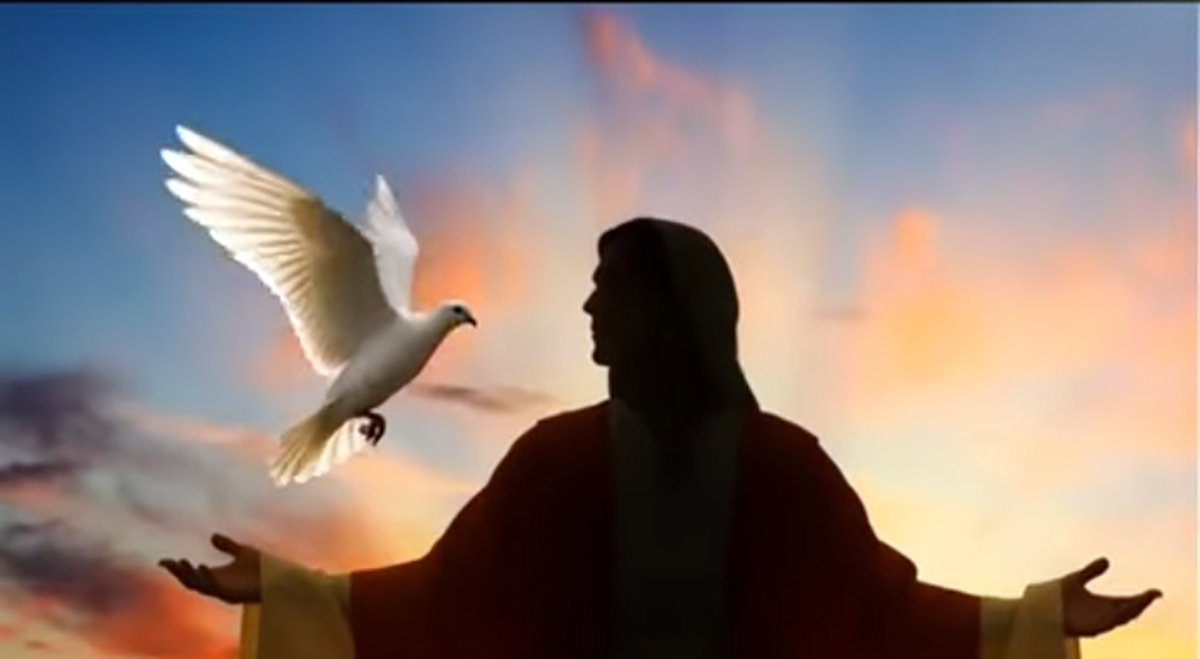
Maranatha

October 31, 2026
“If anyone does not love the Lord, let him be accursed. Maranatha.” – 1 Corinthians 16:22
No church gave Paul more trouble than Corinth.
They had factions, lawsuits, scandal in the family, feasts in pagan temples, and a Communion table where some got too drunk to stand on their feet.
Some doubted the resurrection itself.
After 16 chapters of correction, the longest letter he ever wrote, Paul takes the pen from his secretary and finishes in his own hand.
His closing words are brief: “If anyone does not love the Lord, let him be accursed. Maranatha.”
As we saw in the previous meditation, it is a strange way to end a letter, but it is deliberate.
Paul is writing in Greek to Greek speakers, yet he leaves the word Maranatha in Aramaic – the language of Jesus and the Jerusalem church.
He does not translate it, because he does not need to.
It means, “Our Lord, come.”
That the word traveled untranslated from Jerusalem to the edges of the Roman world tells us that hope in Christ’s coming was no late addition.
It was there from the beginning.
The Old Testament had prepared the ground: Psalm 98 sees the Lord coming to judge the earth, and Isaiah 40 says he comes with power.
The apostles looked at Jesus of Nazareth and said that this coming Lord has a name.
Revelation closes the Bible with the same cry in Greek: “Come, Lord Jesus.”
Why place it here?
Because Paul has set his whole appeal between two poles.
On one side stands ‘accursed- – the warning that a cold heart will face judgment.
On the other stands, Maranatha, a plea that the Judge would come.
Love for Christ, then, is more than sentiment.
It is loyalty to a living Lord who is returning.
Take that horizon away, and every instruction in the letter, whether purity, unity, or orderly worship, shrinks to mere good manners.
Corinth is not far from us.
Work, family worries, and a restless culture wear down our strength without asking for permission.
For those who love him, Maranatha is the happiest prayer in Scripture.
Our eyes drop from the horizon to the crisis in front of us, and we begin living for the next paycheck, the next Sunday, or the next deep breath.
The church today with flood-lit platforms and polished floors, can forget it is accountable just as easily as Corinth did.
We saw the two earlier verses.
Paul tells this fractured church to greet one another with a holy kiss, and then he brings the Judge into the room.
The two belong together.
We cannot cry “Come, Lord” while refusing a brother our hand.
In an age of online outrage and congregations that share a building but not a life, a handshake, an embrace, or a seat beside a brother from another church is both rebuke and remedy.
Nor is this hope an escape.
Paul tells us in Titus that we live “as we await the blessed hope and glorious appearance of our great God and Savior Jesus Christ” (Titus 2:13).
Expectation curbs complacency, sharpens conscience, and steadies us in suffering.
It gives a Tuesday morning its purpose, and it gives the Lord’s Table its meaning, since we proclaim his death “until He comes” (1 Corinthians 11:26).
Many of today’s preachers may shun preaching about the Second Coming of Christ, preferring a gospel that promises comfortable life on earth, but the truth is that we live between the dawn of the resurrection and the full noon of His return.
For those who love him, Maranatha is the happiest prayer in Scripture.
For those who treat grace as a license, it is a sobering one.
May our hands stay busy with His work, and may our voices join in the church’s oldest and most universal prayer:
“Amen. Come, Lord Jesus!” (Revelation 22:20).